This post contains affiliate links. If you buy a product I recommend, I will receive a small commission—no extra charge to you!
A common problem I see in the Christian community is the debate of which translations of the Bible are the most “accurate” or best for beginners.
I see a lot of diehard fans of one translation who claim their favorite translation is the only good one. This is just not true.
This diehard mentality is common for the King James Version, and while I love the originality of the KJV—and it played a big part in my upbringing—I struggle to understand the language used. It’s great for studying the Word deeper, but in my quiet time, I find myself reaching for other translations.
I would love to say I understand which Bibles are the most “accurate”, but I don’t. Instead, I have based this post solely off of my preference, personal experience, and conviction/research.
4 Amazing Bible Translations for Beginners
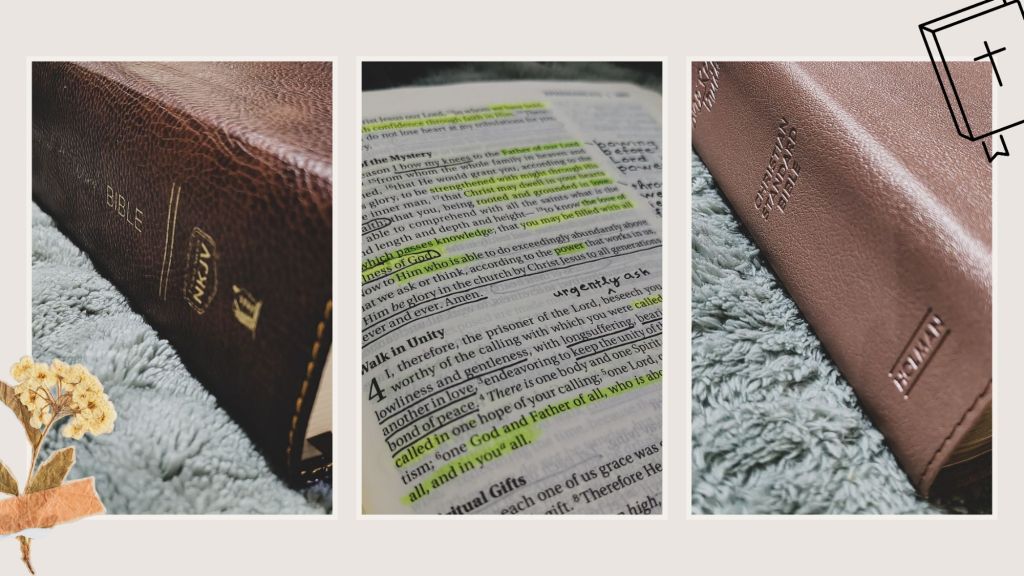
Before we begin, I want to make something clear: I don’t believe the below translations of the Bible are the “best and only ones”, and quite frankly, what I recommend now may change years down the road. The below translations are simply the ones I turn to when I want to dig into Scripture.
I am by no means saying you have to pick one of these translations. For me, each translation has its strengths and weaknesses, so for each one, I will list:
- Why I love the translation
- The reasons I may reach for another translation
This is a lighthearted but well-studied opinion piece on which translations I would recommend to any new Christian looking for basic information to aid in picking the best translation for them.
To start us off well, I’m picking one of the least controversial translations on my list.
New King James Version
This is my favorite translation of the Bible! The NKJV was created out of a need for some easier-to-understand language than the King James Version (we’re looking at you, Ye and Thou).
Thomas Nelson publications explains the purpose being, “When the New King James Version was commissioned the need to preserve the beauty and trustworthiness of the King James Version was imminent, however, language and dialect barriers needed to be addressed. The New King James Version Bible translation is scrupulously faithful, a preservation of the authority and accuracy, as well as rhythm and beauty, with resounding clarity and understandability for today’s reader.“
Why I Love the NKJV:
- It is regarded highly by the majority of the Christians in my life—people who have a kind of faith that I look up to.
- I have tried quite a few different translations and always come back to this one, not just for the understandability, but because it’s a word-for-word translation, which means it stays faithful to the original Scripture even if it means keeping some “difficult words”.
- Not everyone agrees on the reading levels of specific Bible translations, but the NKJV is commonly associated with being written on a 7th grade reading level.
- Capitalizes the pronouns of God. Every other translation on this list does not capitalize the pronouns of God, and it’s one of my biggest pet peeves. For me, not capitalizing the pronouns of God makes it hard to follow along, especially in the Old Testament.
- Except for maybe the English Standard Version, the NKJV is the only translation I have read that keeps the integrity of the poetic nature of the Psalms and songs of the Bible.
Why I Would Reach For a Different Translation:
- It’s not the #1 easiest translation to understand. It’s fantastic for studying, which is why it’s my main Bible, but if you are a beginner or simply want to read for a couple of minutes, it requires you to slow down a bit.
- From my understanding, some modern scholars criticize the NKJV, just like the KJV, for primarily using the youngest resources we have available now. According to this website I found, which explains the main debate many have, “The NKJV was mainly based on the KJV, and … the KJV was translated by basically one person (Erasmus). He used manuscripts of the Bible that are relatively young. In the more than 400 years since it was translated, new manuscripts, which are 1000 years older, have been found. That means we have manuscripts which were written closer to the time of the Bible.” Personally, I don’t have a side of the argument I’m in agreement or disagreement with, but it’s definitely something to consider.
While I don’t have any eye problems—that I know of—I’ve been using the Thomas Nelson NKJV Large Print Journal Bible for the last few years. It may not be one I can comfortably carry into church, but it’s perfect for my mornings at home with coffee. I also love having space to write out my thoughts!

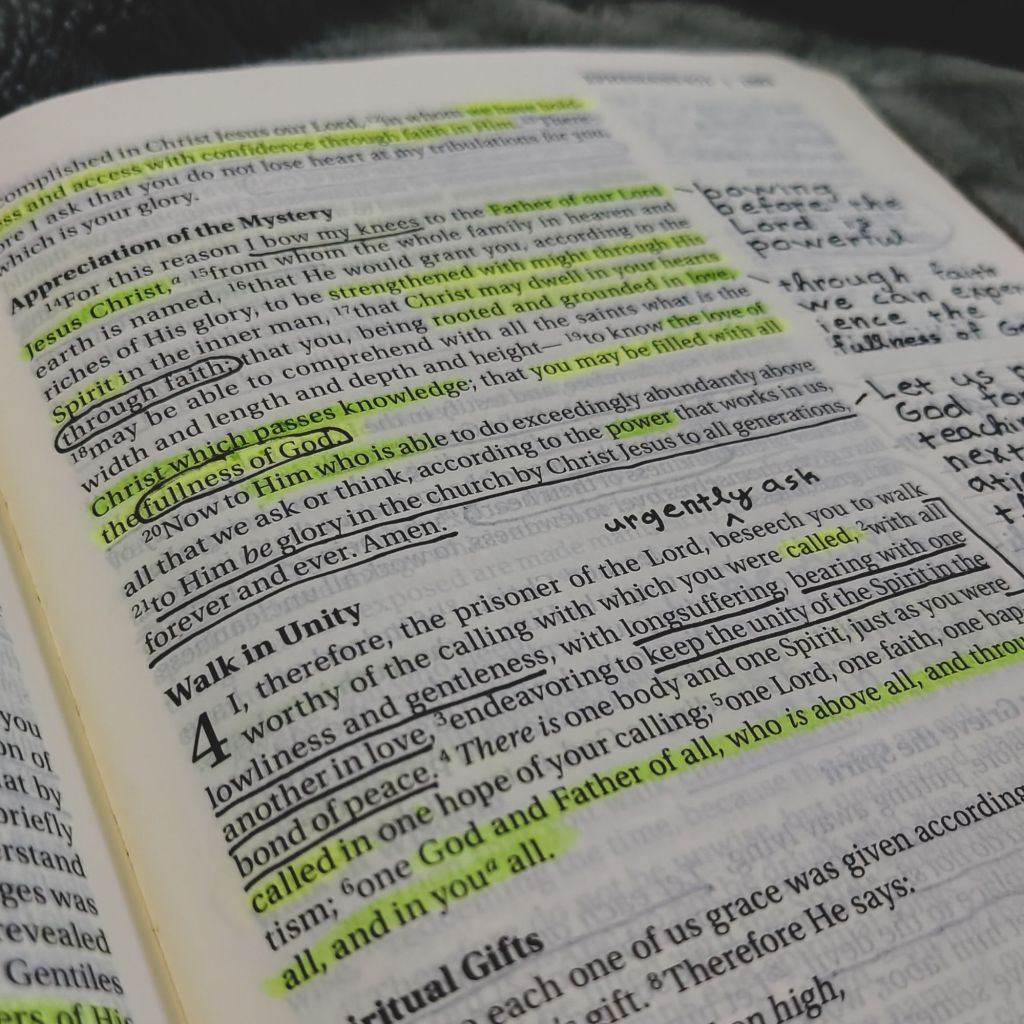
If you’re looking for one a bit more compact, my husband uses the below one… And as you can tell, he has gotten his use out of it.
I couldn’t find the exact style anymore, but this imitation leather one looks very similar. I struggle with the smaller print, but I love the simplicity, lighter weight, and much cheaper price tag.


English Standard Version
The English Standard Version is also a fantastic literal, word-for-word translation for beginners. A common debate is actually whether to pick the NKJV or the ESV.
This article from Eden.co.uk does a fantastic job of explaining the core difference between the NKJV and the ESV by summing it up into one sentence: “The main difference between the ESV and the NKJV lies in their source texts and style: both are literal translations, but the NKJV updates the traditional language of the KJV while using the same Textus Receptus manuscript, whereas the ESV uses modern scholarly manuscripts for its base, resulting in some textual difference.“
If you’re trying to pick between ESV and NKJV, read: ESV vs. NKJV: Modern Precision or Updated Tradition
Paul Khosla, which, admittedly, I know nothing about, but I think he does a good job explaining the ESV, says it like this: “For me, though, older wins out — what can I say, I’m a vintage kinda guy. So my choice is now the ESV. It is the most recent translation based on the oldest manuscripts. Not only that, but it also leverages the most recent scholarship we posses about interpretation, Greek, translation, history, etc.“
I used to dislike this version because I felt it was even harder to understand than the NKJV. While I still don’t have a physical copy of the ESV, over the past few months, I’ve started to enjoy referencing it during my study time.
What I Love About the ESV:
- As a sucker for good grammar, I appreciate the effort the ESV makes to correct many of the NKJV’s grammatical issues.
- My mom struggled with the KJV and NKJV, but once she discovered the ESV, she was able to dig deeper and understand Scripture better. That’s a big deal!
Why I Would Reach For a Different Translation:
- While the ESV is renowned for better grammar, not just its removal of archaic language like the NKJV, I struggled to understand it for the longest time.
- I think one of the biggest reasons I struggled to understand the ESV is because, while it was written with the same goals, it is written at a 10th-grade reading level. However, it’s important to note a higher reading level doesn’t always mean something will be harder to understand—like in my mom’s case.
- This version of the Bible does not capitalize the pronouns of God (i.e., he, him).
Christian Standard Bible
This was actually the first Bible I bought for myself, and it was also a journaling edition. What can I say? I’m a writer.
The CSB is the first translation on this list that falls into the Optimal Equivalence category, which basically means it’s a word-for-word and thought-for-thought translation, prioritizing biblical accuracy and understandability over sticking to one method.
Why I Love the CSB:
- When I first started studying the Bible, I needed a middle ground—something that combines word-for-word and thought-for-thought. I had heard great things about the CSB, so I tried it. It satisfied my needs perfectly!
- Like the NKJV, the CSB is written at a 7th-grade level.
- The CSB regularly translates the Greek word άνθρωπος (“man”) into “people” where historical and cultural context supports it. From my understanding, every translation on this list does the same thing, but some do it more than others.
- I specifically bought the She Reads Truth CSB physical copy, and I can’t get over how beautiful it is and how solid the little devotionals scattered among the pages are.
Why I Would Reach For a Different Translation:
- When studying the Bible more in-depth, Optimal Equivalence is a fantastic starting point, but is it the best translation to depend on alone? Unless I’ve already read a word-for-word (Formal Equivalence, literal) translation, I always feel the need to dig deeper when reading translations that are not strictly word-for-word.
- Along the same lines, while I haven’t seen any biblical/historical inaccuracies, I can’t wholeheartedly support the CSB because it’s not word-for-word. I’m simply not literate enough in my research to proclaim any Optimal Equivalence or Dynamic Equivalence (thought-for-thought) translation 100% trustworthy.
- Like every translation on this list, except the NKJV, the CSB doesn’t capitalize the pronouns of God (he, his, etc.), which can make it hard to follow along, especially in the Old Testament.


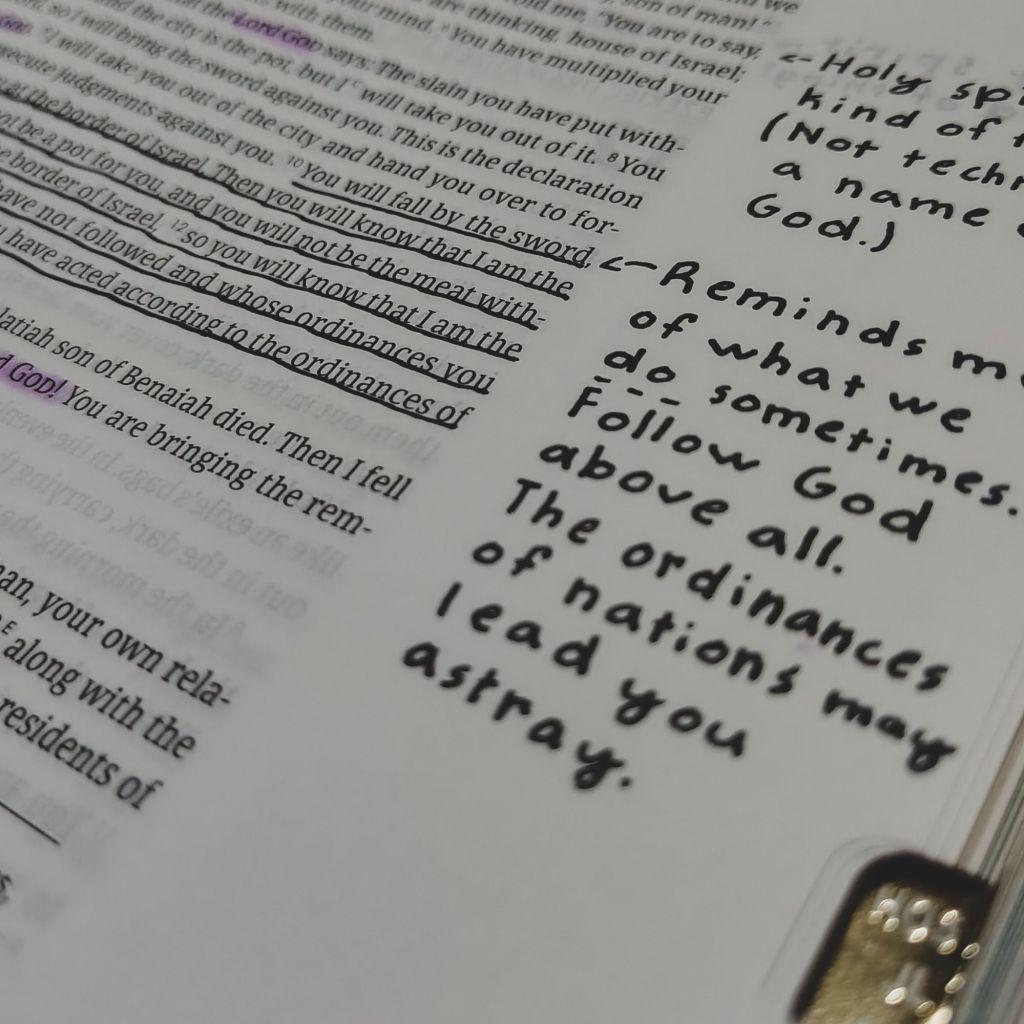
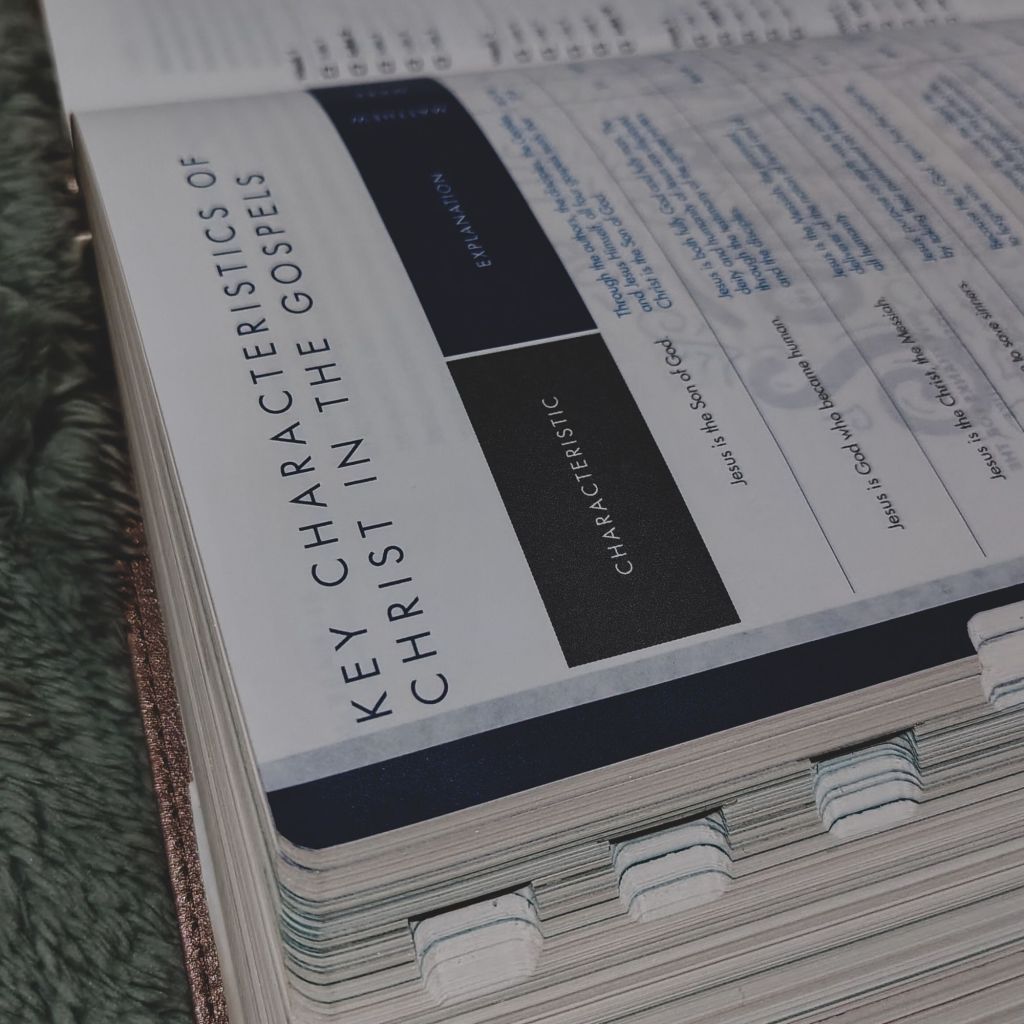
I also just realized that the exact copy of the CSB I own is majorly marked down right now… I spent $60 on it… It’s fine; it was worth it.
New International Version
This is the only thought-for-thought translation on this list, and it’s actually new to my study routine—much like the ESV.
Our pastor gave it to my husband to use at a jail ministry they attended together, and like the nerd I am, I immediately took to studying it.
What I Love About the NIV:
- It’s my first official thought-for-thought, so it’s been a fun (and crazy understandable) read for me. As someone who has the attention span of a squirrel but is now also dealing with pregnancy brain, it’s nice to have a Bible that falls in the “easier” Dynamic Equivalence category. While it’s super easy to understand, surprisingly, the reading level is one step above the NKJV and CSB, coming in at an 8th-grade level.
- I like that the NIV references manuscripts that, as I understand it, date back further than the manuscripts used to translate the 16th-century KJV. This is one of the core reasons for heavy debates over translations. This is also why you may find “missing verses“. I don’t associate with either side of the debate; I simply love comparing the translations and seeing God work through each one differently in my life.
Why I Would Reach For a Different Translation:
- On the flip side, the reasons I love the NIV are also the reasons I would reach for another translation—namely, a translation that falls into the category of Formal Equivalence or Optimal Equivalence. The NIV comes with the same warning as the CSB, but even stronger because I really couldn’t tell you if there are any inaccuracies. Thought-for-thought relies heavily on, as Got Questions explains, “…[translating some passages] with more of a “this is what the translator thinks the text means” instead of “this is what the text says.” While I believe the NIV has a place in a beginner’s walk with Christ, I don’t believe it should be the only translation someone uses. Perhaps for a time, but not forever. My viewpoint may change in the future, but that’s where I stand right now.
- One of the biggest debates over the NIV is the use of gender-neutral pronouns. According to the same article from Got Questions, “The greatest ‘con’ of the 2011 NIV, of course, is the inclusion of gender-neutral language and the necessity of interpreting rather than translating in order to present a more culturally sensitive or politically correct version.” As we discussed previously, all the translations on this list do something of the sort, but some do it more than others. There are plenty of resources that explain the widespread gender debate in modern English translations of the Bible that can help guide you on this topic, but I have linked my favorite resource at the end of this article.
- Just like the ESV and the CSB, the NIV also does not capitalize the pronouns of God (he, his, etc.).
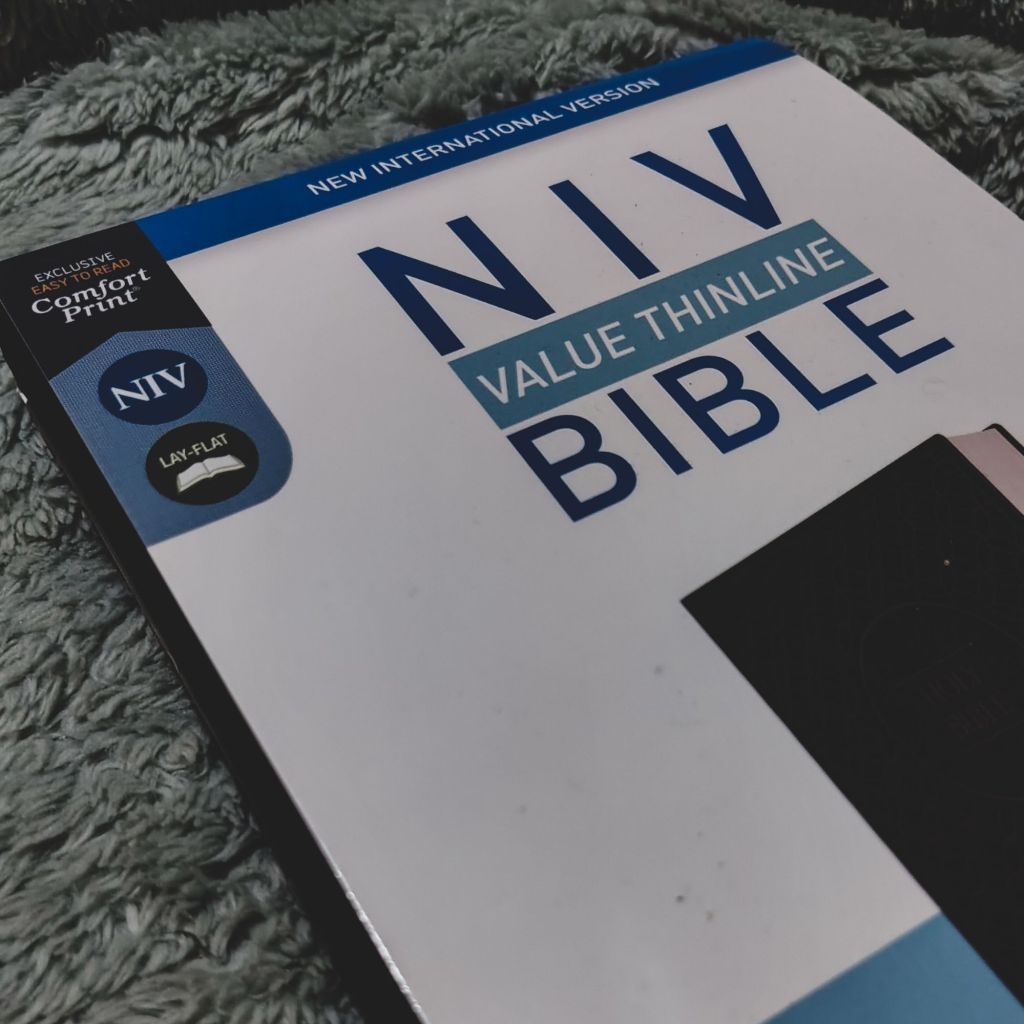
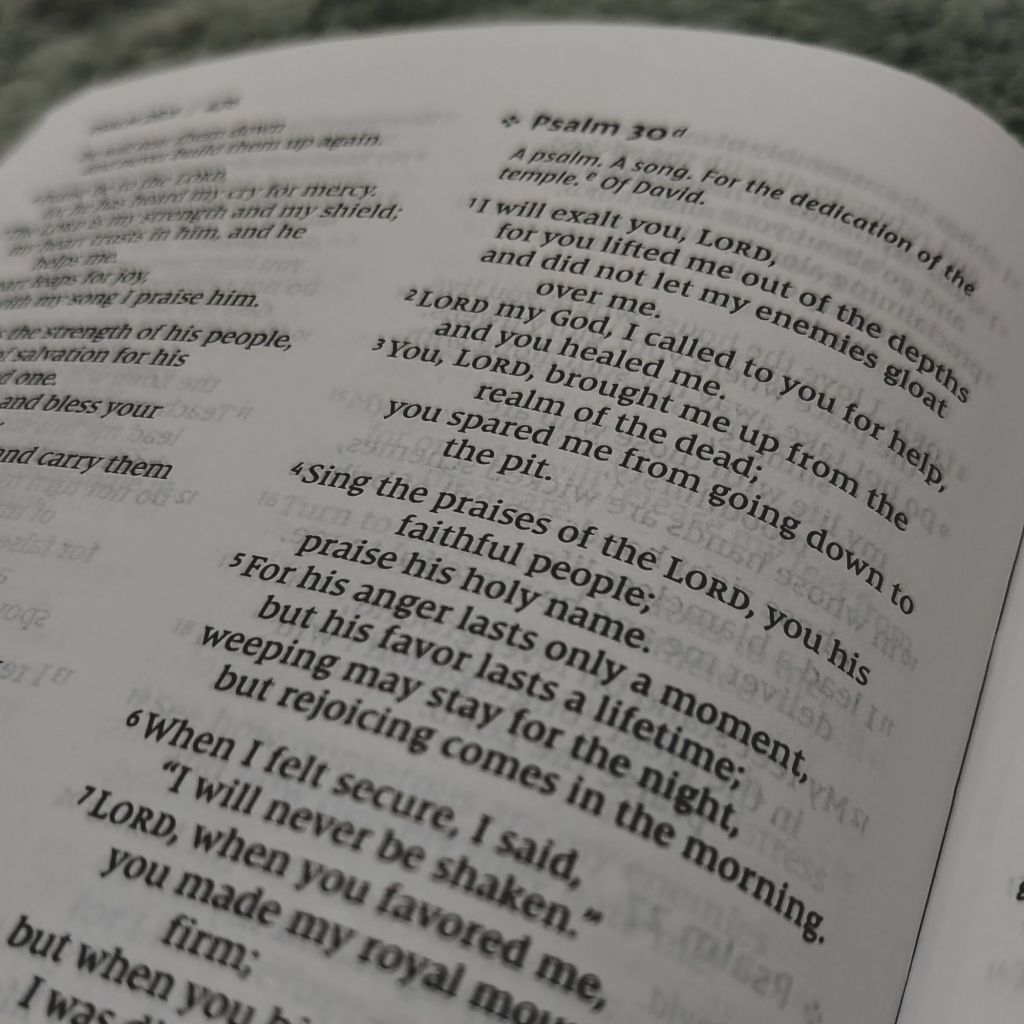
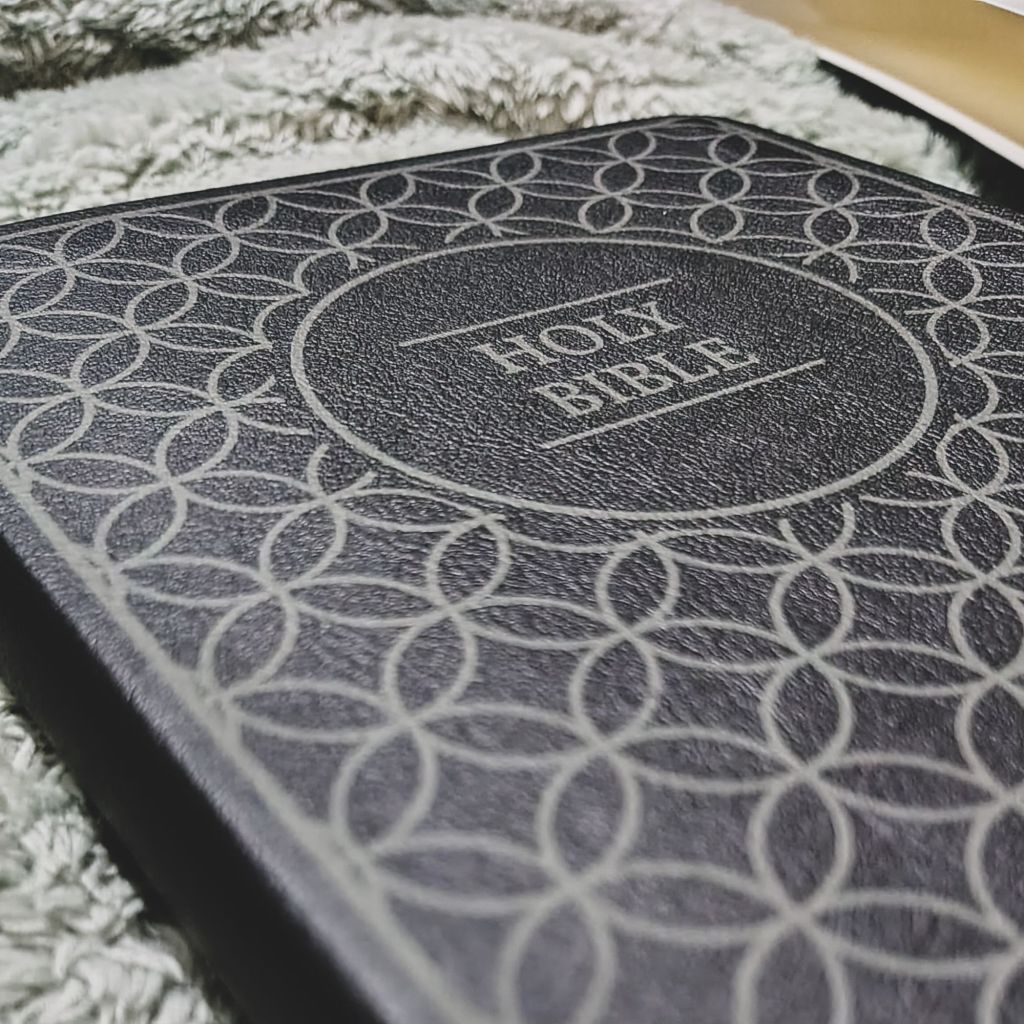
As I said, this Bible was given to us, so I’m not 100% sure exactly where they got it, but here it is—NIV Value Thinline Bible—on Amazon.
Finding a Translation That Works For You
The website Got Questions speaks wisely into the debate of translations in their post Why Can’t All Christians Agree On One Bible by saying, “The differences among the good translations are not differences in doctrine. Whether we’re reading the KJV, the NIV, the NAS, the ESV, or the ERV, Jesus is still the Lord and one-and-only Savior, and salvation still comes by grace through faith.“
And for me, that’s where I stand on the matter. God can use anything to lead people to Him—His creation, videos of cats falling off chairs, our testimonies, and even His words translated in different ways.
Finding an accurate translation is not a trivial matter, but I believe God is more than powerful enough to lead each of His people to whichever translation will get them closer to His truth.
Pray for the Lord’s guidance in your own search for a Bible, and God will provide the way.
If you’ve already found your favorite translation of the Bible—the one you understand the most—which is it? I would love to know why you chose it and what you think its strengths and weaknesses are.
I almost included The Message Bible in this list, but I have too many thoughts to fit into this post. If you’d like to hear my thoughts on it, let me know, and we can dive deeper!
Lastly, if you would like more content from me (like my last post about how to start a study basket), make sure to subscribe to my newsletter!
Resources Linked in This Article:
- The History of the NKJV by Thomas Nelson Publications
- I’ve Shelved My NKJV. Maybe You Should, Too? By Paul Khosla
- ESV vs. NKJV: Modern Precision or Updated Tradition? By Eden.co.uk
- Gender in Bible Translations: A Crucial Issue Still Mired in Misunderstanding by David Brunn
- Why are the newer translations of the Bible missing verses? By Got Questions
- Are There Missing Verses in the NIV Translation? By Bible Study Tools








Leave a Reply